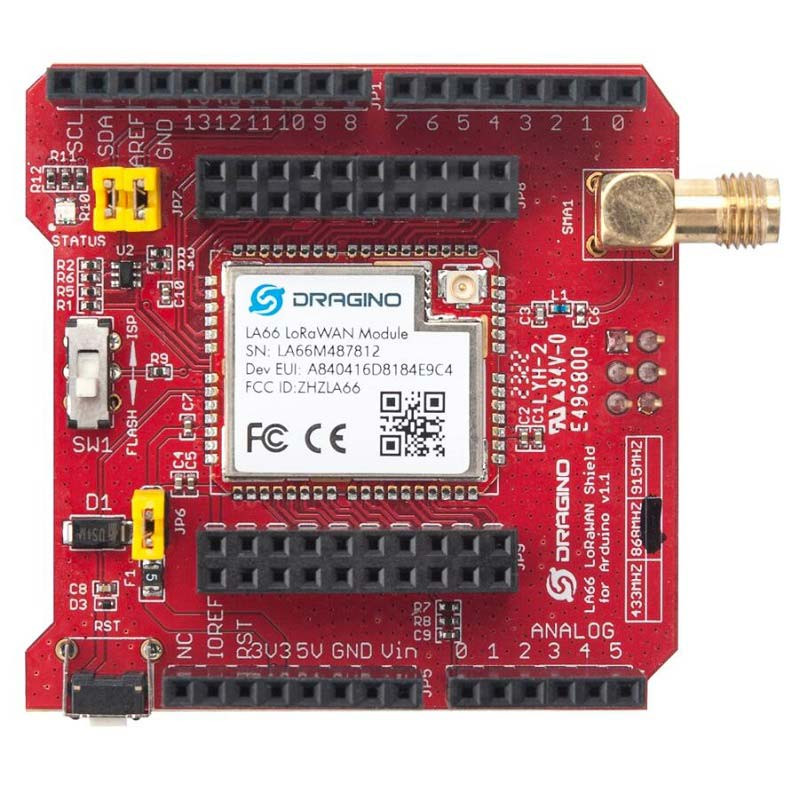
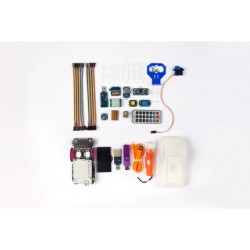
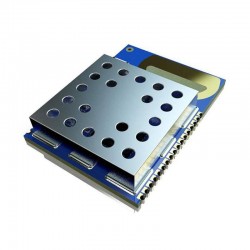
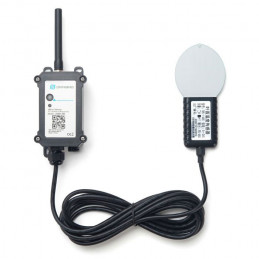
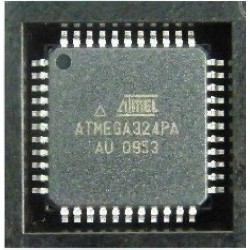
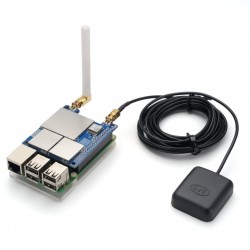
LA66 LoRaWAN Shield is the Arduino shield base on LA66. Users can use LA66 LoRaWAN Shield to rapidly add LoRaWAN or peer-to-peer LoRa wireless function to Arduino projects.
LA66 is a ready-to-use module that includesLoRaWAN v1.0.4 protocol. The LoRaWAN stack used in LA66 is used in more than 1 million LoRaWAN End Devices deployed world widely. This mature LoRaWAN stack greatly reduces the risk to make stable LoRaWAN Sensors to support different LoRaWAN servers and different countries' standards. External MCU can use AT command to call LA66 and start to transmit data via the LoRaWAN protocol.
Each LA66 module includes a world-unique OTAA key for LoRaWAN registration.
Besides the support of the LoRaWAN protocol, LA66 also supports open-source peer-to-peer LoRa Protocol for the none-LoRaWAN application.
LA66 is equipped with TCXO crystal which ensures the module can achieve stable performance in extreme temperatures.
Features:
Support LoRaWAN v1.0.4 protocol
Support peer-to-peer protocol
TCXO crystal to ensure RF performance on low temperature
SMD Antenna pad and i-pex antenna connector
Available in different frequency LoRaWAN frequency bands.
World-wide unique OTAA keys.
AT Command via UART-TTL interface
Firmware upgradable via UART interface
Ultra-long RF range
Specification:
CPU: 32-bit 48 MHz
Flash: 256KB
RAM: 64KB
Input Power Range: 1.8v ~ 3.7v
Power Consumption: < 4uA.
Frequency Range: 150 MHz ~ 960 MHz
Maximum Power +22 dBm constant RF output
High sensitivity: -148 dBm
Temperature:
Storage: -55 ~ +125℃
Operating: -40 ~ +85℃
Humidity:
Storage: 5 ~ 95% (Non-Condensing)
Operating: 10 ~ 95% (Non-Condensing)
LoRa Rx current: <9 mA
LoRa Tx Current: <90 mA at +17 dBm, 108 mA at +22 dBm
I/O Voltage: 3.3v
Order Info
LA66-LoRaWAN-Shield-XXX
XXX: The default frequency band
AS923: LoRaWAN AS923 band
AU915: LoRaWAN AU915 band
EU433: LoRaWAN EU433 band
EU868: LoRaWAN EU868 band
KR920: LoRaWAN KR920 band
US915: LoRaWAN US915 band
IN865: LoRaWAN IN865 band
CN470: LoRaWAN CN470 band
PP: Peer to Peer LoRa Protocol
Useful Link:
Datasheet
Source Code
Compile and Upload Code to ASR6601 Platform
LA66 Peer to Peer firmware
LoRa & Microcontroller solution | ASR6601 Tutorial LoRaWAN
LA66 Sheild Datasheet
LA66 Sheild User Manual
LA66 AT Command Sets